
Vile Victorians
A historic poisoning duel

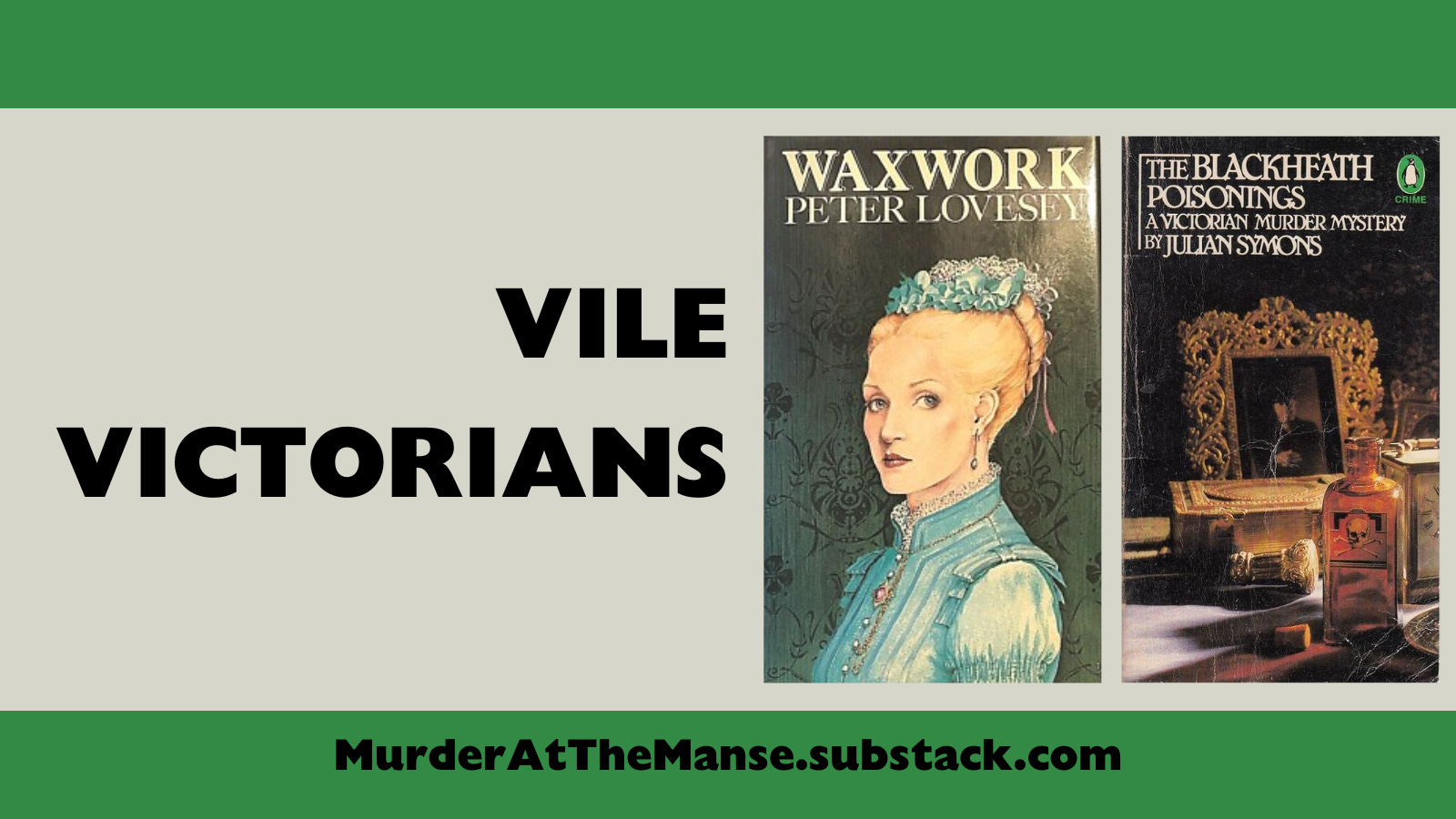
This week on Murder at the Manse, I’m attempting to answer the age-old question: What’s the best British novel published in 1978 that involves a case of poisoning in Victorian England?
In the blue corner, we have Waxwork by Peter Lovesey, the final novel in his eight-part Sergeant Cribb series, a book described in The Times as being “as good a crime entertainment as you could wish for.”
In the red corner, we have The Blackheath Poisonings by Julian Symons, a non-series novel reviewed in The Guardian as “a Victorian murder mystery as satisfying as one of Mrs Beeston’s cakes.”
But today, there can only be one winner. Let the duel commence…
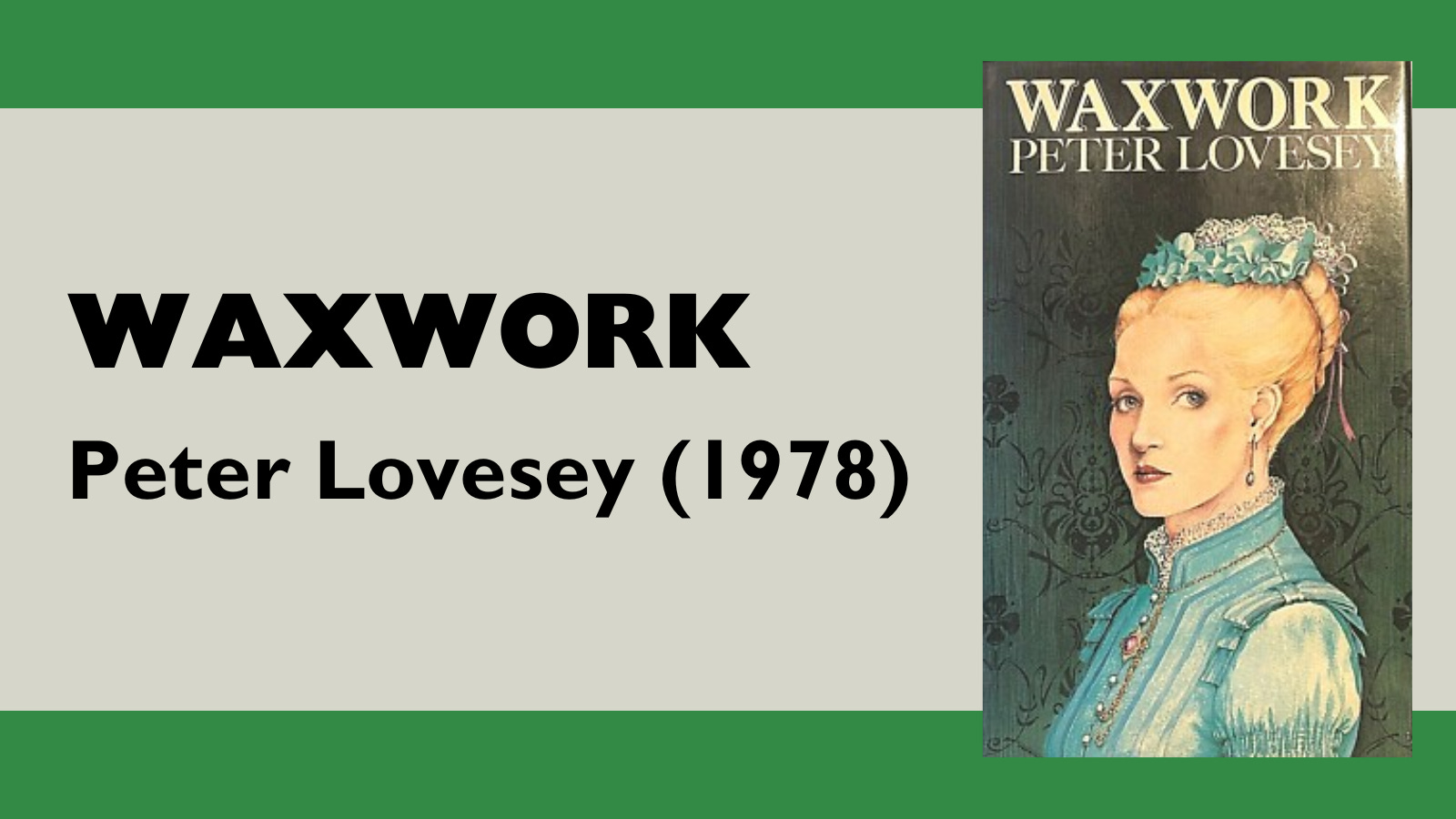
The year is 1888. After confessing to the murder of Josiah Perceval, an assistant in her husband’s photography studio, Miriam Jane Cromer is sentenced to be hanged by the neck until she is dead. Perceval was a blackmailer, she claims, who had been extorting money from her over some indecent photographs from her younger days. While she sits in a Newgate cell awaiting her fate, the Home Secretary is anonymously sent a photograph that raises questions about her confession. Sergeant Cribb is commissioned to discover the true explanation of events:
“Well, Sergeant, what it comes down to is whether the confession Miriam Cromer made is reliable. If it isn’t, why the devil did she perjure herself to secure a sentence of death? We have eleven days to find an answer. After that the question will be academic…”
The novel’s title proves to be a play on words. At a literal level there is a subplot involving the installation of new waxworks in the Chamber of Horrors at Madame Tussauds. Less literally, Miriam Cromer is presented as a kind of waxwork. This begins with her demeanour in court: “There was an air of suspended animation about her, giving her the look of a figure in wax.” As the plot proceeds, this description is reinforced as Miriam hides her true thoughts behind a cold exterior. I enjoyed the enigmatic depiction of Miriam and her interesting interactions with her lower-class guards (wardresses) in Newgate.
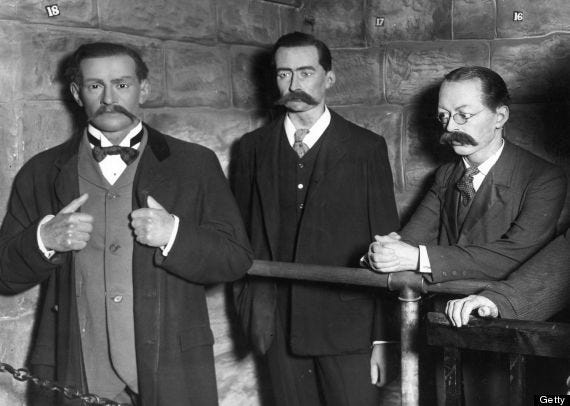

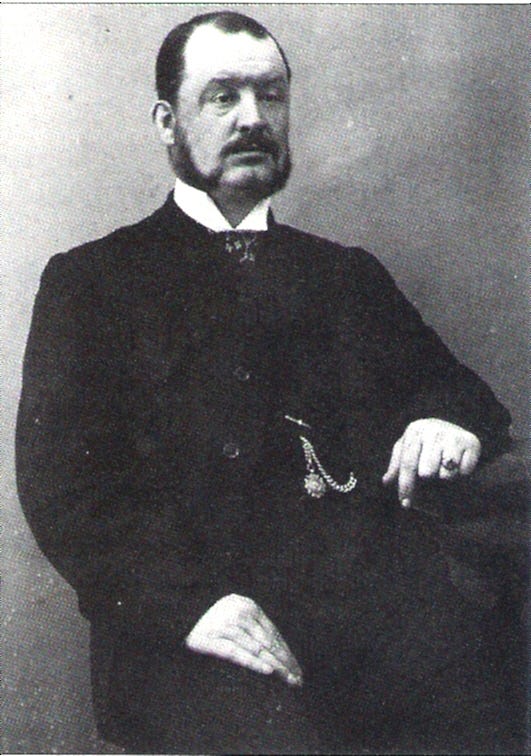
Although I can’t offer first-person corroboration, the scenes in Newgate feel realistic, and this extends to the rest of the novel too. Lovesey brings the reader into a well-researched Victorian atmosphere. There are a few moments where Lovesey is perhaps too keen to display his knowledge (especially when it comes to fashion), but generally the historical detail is natural and serves the plot well.1 His depiction of the photographic trade is especially interesting. As an extra touch, Lovesey chose a real historical figure as Cromer’s prospective executioner: James Berry was a genuine hangman, who was involved in 131 hangings, including five women.2 Berry wrote a memoir, My Experiences as an Executioner, and I wouldn’t be surprised if Lovesey read this as part of his research.
The plot proceeds at a good pace, with each new chapter recounting the events of a new day, as indicated by the chapter titles. This gives a strong sense of progress through the investigation, as well as adding an undercurrent of urgency as the date of Cromer’s planned execution approaches. Lovesey’s writing is pleasingly efficient and uncluttered and he keeps the key questions of the case in view as new revelations emerge. I wasn’t entirely convinced by the ending, but overall it’s a strong historical mystery.
I’ve read and enjoyed a number of Lovesey novels in the past, but this is my first taste of Sergeant Cribb. I imagine it won’t be my last. I enjoyed the character dynamics within the police, and I admired Cribb’s disregard for the political implications of his investigations as he maintained his focus on truth and justice, regardless of the expectations of his superiors. I am disappointed, though, that neither Cribb nor his creator have been afforded a waxwork in Madame Tussauds.3
Verdict: ⭐⭐⭐⭐ (4/5)
When toy manufacturer Charles Mortimer built Albert House and Victoria Villa in Blackheath, he hoped they would provide comfortable homes for his extended family. The two households, though, were soon afflicted by tragedy, and this macabre trend continues with Mortimer’s descendants. In the 1890s, they become the focus of an affair known as the Blackheath Poisonings. Two family members die unexpectedly and there are rumours that a poisoner is to blame. When police place their suspect on trial, multiple domestic secrets are unearthed, challenging the family’s respectable veneer. And to make matters worse, one family member writes really bad poetry.
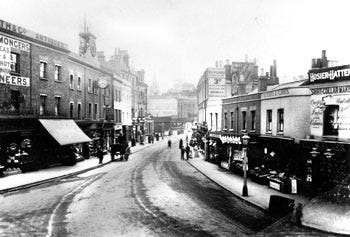
There are several points of similarity between Waxwork and The Blackheath Poisonings, but they have markedly different styles. The Blackheath Poisonings begins with a 17-page prelude introducing the family and its recent history, and continues at an unhurried pace. Julian Symons gives us specific background for every named character and introduces scenes that are tangential to the narrative but add depth to the personal interactions. As a result, I found the book to be strong on characterisation and atmosphere, but weaker on plot. Symons captures well the troubled households with their Victorian hypocrisy and concern for reputation, but the novel sometimes feels directionless, especially with the minimal amount of actual detection.
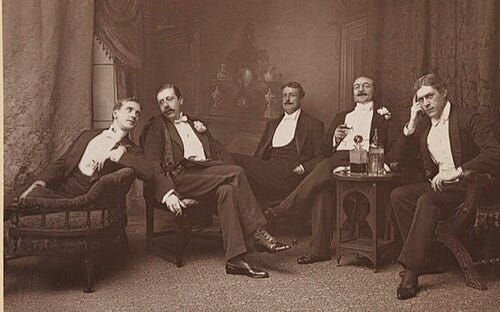
Among the characters, there are several interesting personalities, providing good opportunities for humour within the grim plot. The family physician, Dr Porterfield, is a memorable example. I especially enjoyed the description of his habits halfway through the book:
Dr. Porterfield was not an easy man to wake. Doctors do not always follow the advice they give to their patients, and it was his habit to eat cheese on toast every night before going to bed, accompanying it with a drink of rum and milk into which a few drops of laudanum had been blended.
Symons matches Lovesey’s attention to historical detail, providing a realistic backdrop to the murderous events. There are some nice specific references, such as a family theatre trip to see the new Oscar Wilde play Lady Windermere’s Fan. We are also given some insights into the late Victorian justice system, including the prohibition on the accused parties testifying in court and the lack of a court of appeal. Both of these elements prove to be significant for the plot; Symons is definitely adept at immersing us into the period.

The ending, however, is not especially satisfying. For many readers, the solution will not be much of a surprise. I think Symons also fails to sustain sufficient tension in the final section of the book, which makes the book’s conclusion less of a climax. By this point, you may suspect that I preferred Waxwork as a mystery, and you’d be correct. The Blackheath Poisonings is still enjoyable, and Symons is an engaging writer, but if you’re in the market for Victorian-era detection published in 1978, Lovesey would be my recommendation.
Verdict: ⭐⭐⭐ (3/5)
The duel is over, and Peter Lovesey emerges victorious. Unless you know of any other 1978 novels about Victorian poisonings?
For example, in his overeager description of Miriam Cromer’s courtroom outfit: “She was wearing black, as was customary. Her clothes were fashionable, even so: a zouave jacket in velvet over an Ottoman silk gown with jockey sleeves and jet fastenings. The line of the skirt was augmented dramatically by a crinolette, a bustle worn low in the latest style. She was not veiled. The crownless velvet toque high on her head accented the honey colour of her hair in the artificial light. It was styled of necessity in a simple fashion, drawn back severely to a chignon.” Ok, Lovesey.
Despite the intrusive ads, the CapitalPunishmentUK.org website is an excellently-researched source of information about the executioners and the executed in British history. You can read about James Berry here: https://capitalpunishmentuk.org/english-hangmen-1850-to-1964/.
To my knowledge, the only crime fiction writer who has had a waxwork in Madame Tussauds is Agatha Christie, who was installed in 1972. She is no longer on display.
Another very good article. I like both these books a lot, though I'd agree that Peter Lovesey's novel perhaps just edges it.